The Australian government’s attempt to adopt the UK’s D-Notice model of press censorship is backfiring, criticised by the press and general public alike. At the heart of the backlash are concerns over transparency and disregard for press freedoms.
Following a lengthy battle for press information, the independent British news outlet, Grayzone, has obtained secret documents about the programme’s inner workings. They reveal secret exchanges and meetings spanning five years. These include cosy discussions between the UK Defence and Security Media Advisory (DSMA) Committee — colloquially known as the D-Notice committee — and Australian government officials, on how to replicate the censorship model.
In practice, the D-Notice committee functions as a press censorship board, wielding significant influence over UK media.
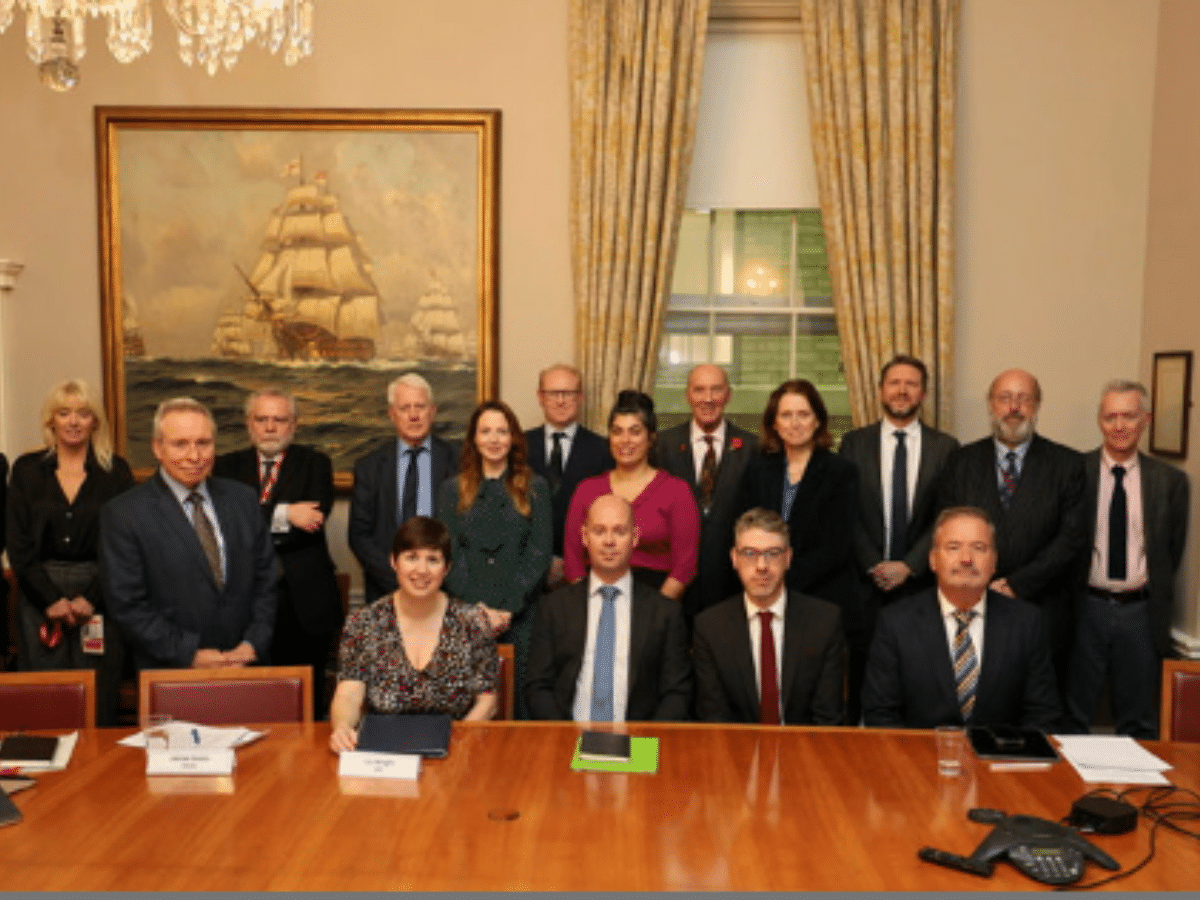
This uniquely British system presses journalists and outlets not to publish stories which embarrass the intelligence and security apparatus. The shadowy committee functions in the spirit of an Old Boys Club and intervenes through gag-orders to suppress press freedoms. The leadership is exclusively made up of posh-boy British hacks and military officers and intelligence officials. As for press personnel, notable figures include:
- David Jordan, Director of Editorial Policy and Standards BBC
- Sarah Whitehead, Director News gathering & Operations, Sky News TV
- Andrew Dagnell, Editor ITV News
D Notice Down Under?
As explained by Grayzone reporters:
The unprecedented disclosure was the result of an effort by the Committee to assist Australia’s government in creating a D-Notice system of their own. In doing so, it established a paper trail which Canberra [the seat of government] was forced to release under its own FOI laws.
They added that:
Australian authorities fought tooth and nail to prevent the documents’ release for over five months, until the country’s Information Commissioner forced the Department of Home Affairs to release them.
One document provides a detailed response to questions about how Canberra can seamlessly implement the system. One document suggests that UK legacy journalists comply with orders without much pushback or grumblings.
Under the heading “instances of Js [journalists] publishing information against DSM advice” the document notes:
Yes but very rarely. Tends to be extreme, non-msm organizations.
So who qualifies as an ‘extreme’ organisation? In this case, our mates at Declassified UK fit the bill for publishing content without the committee’s approval.
An embarrassing trove
The trove includes a 36-page report from 2015 which reveals the structure of the committee. Most strikingly, it includes a breakdown of D Notices issued since May 2011.
The special forces and intelligence services feature heavily, as do stories about Trident nukes.
The committee has used its powers to suppress or influence coverage about paedophilia scandals involving the British establishment. Other stories which have seen D-Notices issued include the Snowden leaks, Princess Diana, Prince Harry’s deployment to Afghanistan, the military science facility at Porton Down, and not least…UFOs.
The committee intervened in 35 stories about Gareth Williams, a former codebreaker for the Government Communications Headquarters. His body was found stuffed in a suitcase in 2012. In 2024, the police said that Williams’ bizarre death was self-inflicted. Williams had been seconded to MI6 at the time of his death.
There are multiple references to late Libyan de facto leader, Muammar Gaddafi, and details surrounding his collusion with the US intelligence over torture and rendition of Libyan nationals. In 2018, the British government issued an apology for its role in the rendition of suspects to Libya.
While it’s one thing that Australia wanted to have its own system of state censorship, more shocking is the evidence that UK legacy media has been pandering to the British state. Declassified UK stands out as one of the few serious outlets, investigating the true face of the British military, intelligence, and foreign policy activity.
Featured image via the Defence and Security Media Advisory Committee