When a remote east African city was being shelled by Somaliland soldiers three years ago, a German academic became an unlikely messenger for the beleaguered inhabitants of Las Anod.
Dr Markus Hoehne, an anthropologist then at Leipzig University, spoke Somali and had previously spent time in Las Anod researching for his doctorate in the early 2000s.
As the city’s hospital came under attack, his local sources provided a daily stream of information, which he posted on Twitter.
Hoehne’s war diary helped foreign media outlets, like Declassified, cover the assault on Las Anod, which started when a police unit – possibly British trained – massacred protesters.
Soon he was briefing diplomats on the situation who in turn informed the United Nations.
But not all the attention Hoehne received was positive.
For supporters of Somaliland’s government, his description of life on the eastern edge of what they regarded as their territory posed a significant political problem.
Somaliland, a break away region of Somalia, was at that point unrecognised by any foreign state.
To make its case for international legitimacy, it sold itself as a peaceful democracy, in sharp contrast to the rest of Somalia which was often engulfed in conflict.
Hoehne was undermining this positive narrative by highlighting the suppression of protesters in Somaliland.
Worse still, the inhabitants of Las Anod were unionists who actually wanted to rejoin Somalia – a tendency Hoehne had been documenting in his academic writings over many years.
As Hoehne’s tweets gained traction, so did a devastating riposte.
Social media accounts supporting Somaliland’s government began to say he was a paedophile who had been deported from Hargeisa, Somaliland’s capital, for raping a girl.
RELATED

Friends in high places
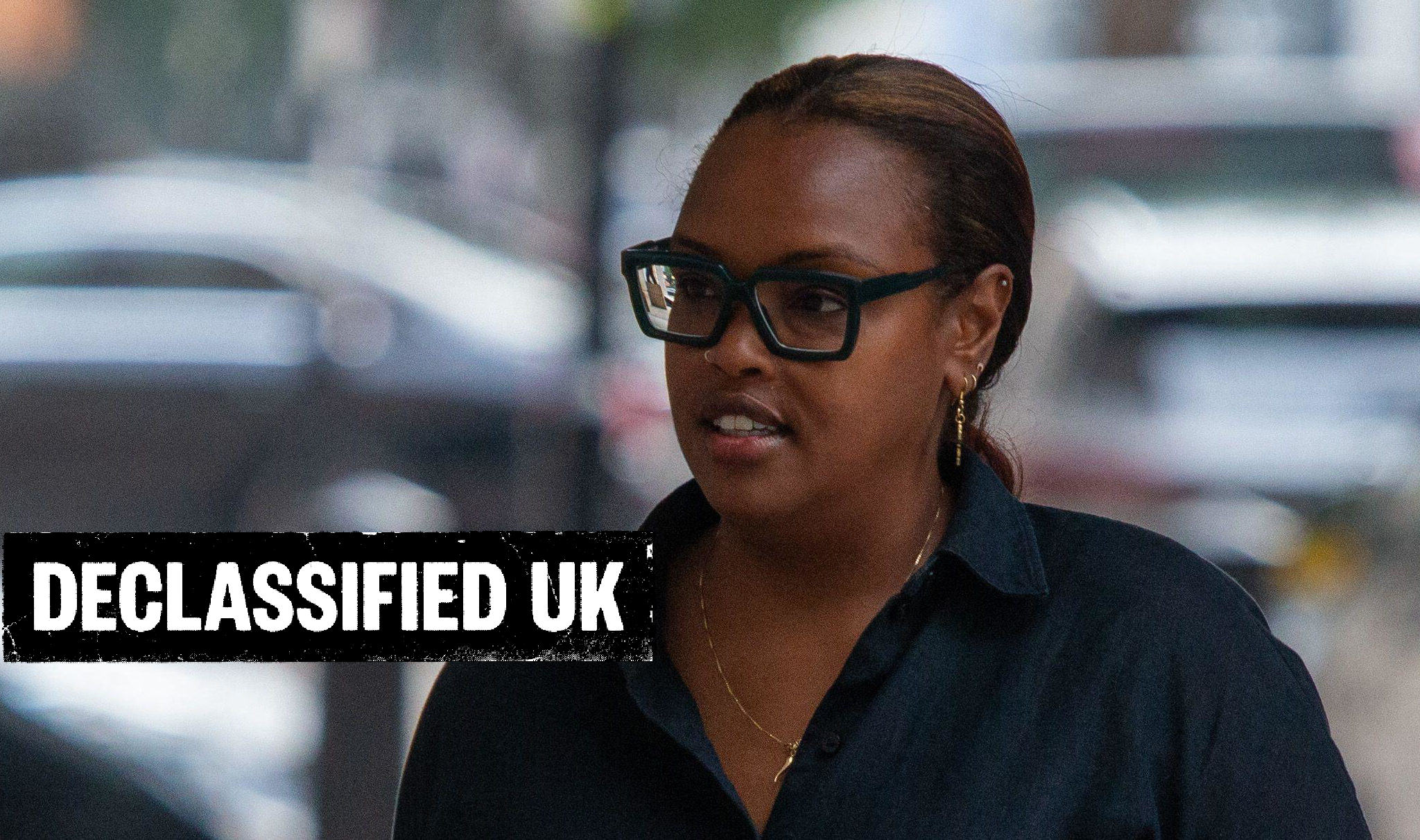
Among those to amplify this claim was none other than the godmother of Boris Johnson’s son.
Nimco Ali OBE had been born in Somaliland and became a leading women’s rights campaigner in the UK, where she counted Johnson and his wife, Carrie, among her friends.
Under Johnson’s premiership, she was appointed as an independent government adviser on tackling violence against women and girls.
For her to claim Hoehne was a paedophile carried a particular weight, and threatened not just his academic credibility but entire career and liberty.
“It felt like she was trying to shut me up”, Hoehne later told Declassified, fearing his academic work on Somaliland’s atrocities in Las Anod had been tainted at a vital moment.
Desperate to defend his reputation, he sued Ali in London in 2024, but she refused to apologise.
English libel courts are notoriously expensive, and both sides faced vast legal bills.
Yet Ali seemed confident she could prove Hoehne had raped an underage girl in 2004 and been deported for it.
The matter was complicated because Hoehne was expelled from Somaliland that year, but not for child abuse.
He was asked to leave in 2004 for political reasons, after his research exposed the tensions between places like Las Anod and Hargeisa.
Hoehne had already written about this episode in a book and since been allowed back into the country.
He had witnesses to prove why he was deported and crucially, field notes from 2004 showing he was not where the rape was alleged to have taken place.
RELATED

‘I wish to apologise’
The libel case was due to go to trial later this year but last week Ali suddenly posted a statement on X saying: “I wish to apologise”.
Then today in London, a brief hearing was held at the Royal Courts of Justice, which Declassified was the only media outlet to attend.
Hoehne’s barrister told Mr Justice Coppel: “Ms Ali published gravely defamatory allegations about Dr Hoehne. Ms Ali alleged that Dr Hoehne was a paedophile who was kicked out of Somaliland for abusing girls.”
Ali’s barrister in turn said: “My Lord, at the time of the tweets, Ms Ali had been misinformed by third parties about the allegations, which she now accepts are entirely false.
“Ms Ali accepts that Dr Hoehne is not guilty of the conduct which she alleged against him, and was not expelled from Somaliland for such conduct.
“Ms Ali wishes to apologise unreservedly to Dr Hoehne for the serious reputational damage and distress which her Tweets have caused him. She has agreed to pay him substantial compensation.”
Hoehne’s lawyer responded that his client was “content to let the matter rest” in light of the “apology, retraction, and payment of compensation”.
Hoehne and Ali did not attend the hearing in person, which lasted less than five minutes.
Whether other supporters of Somaliland who smeared Hoehne will apologise remains to be seen.
It was not just academics but also media outlets like Declassified who were viciously criticised for covering the situation in Las Anod.
Somaliland’s government still has plenty of supporters, having recently been recognised by Israel and visited by former Conservative defence secretary Gavin Williamson.
He has been given honorary Somaliland citizenship and repeatedly accepted expenses-paid trips to the country.