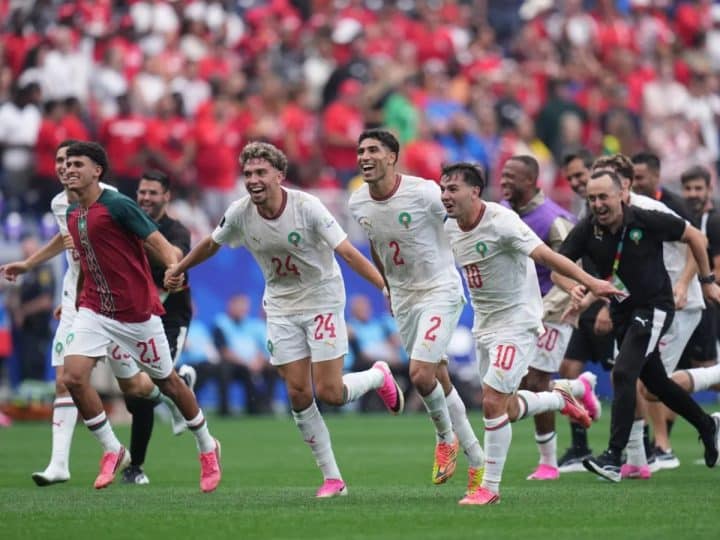
World Cup tournaments are no longer determined by marquee names or trophy-laden cabinets, nor is a legacy of greatness enough to dominate the pitch. The 2026 World Cup confirms that football has entered a new era defined by collective organisation and tactical discipline. Today, less heralded teams possess the tools to challenge traditional powerhouses, often forcing them into grueling battles that last until the final whistle.
The vast gap in technical skill that defined the game for decades has narrowed. The rapid spread of tactical knowledge across continents, combined with modern fitness regimes, has enabled players to press harder and maintain high intensity throughout the entire match. As a result, the margin for individual difference has shrunk; one positional lapse or a momentary loss of concentration is now enough to bring down the mightiest teams.
Cape Verde proves history no longer determines matches
The match between Argentina and Cape Verde was the perfect example of this new reality. On paper, one of the most decorated, experienced teams faced a squad embarking on its first historic journey with nothing but belief. But on the pitch, the script was rewritten.
Cape Verde played with remarkable defensive discipline, closing down space for Argentina’s stars and relying on quick counterattacks that kept the reigning champions under constant pressure. Argentina struggled to secure the win, eventually prevailing 3-2 after extra time—a result born of significant physical and mental exhaustion. It was a clear demonstration that the difference between the giants and the underdogs is now measured in fine margins, not reputations.
Argentina’s victory wasn’t a testament to their absolute superiority, but rather proof of the significant development of emerging teams and their ability to turn matches into complex tests, even against the most experienced opponents.
The World Cup closes the book on the ‘Sole Star’
What is happening in the 2026 World Cup goes beyond surprising upsets; it reflects a deep shift in the sport’s philosophy. Individual talent remains critical, but it is no longer enough to secure victory unless it is woven into a cohesive collective system.
Modern football now rewards the most disciplined and committed team over the one with the most individual talent. Defensive structure, collective pressing, and mental discipline are now just as important as individual skill.
Ultimately, this World Cup seems to be ushering in a new era — one that doesn’t grant an advantage to those with history, but to those who know how to utilise every player within a unified system. In the modern game, talent might create a moment of magic, but organisation is what secures victories and championships.
Featured image via the Canary
By Alaa Shamali