In 2024, a Belgium court ordered the government to pay reparations to five ‘Metis’ women, born of an African mother and a European father between 1948 and 1952, who were kidnapped from their mothers during the colonial-era in Belgian Congo.
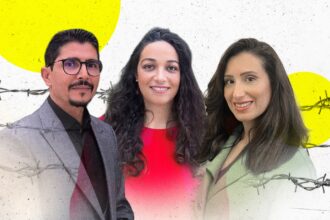
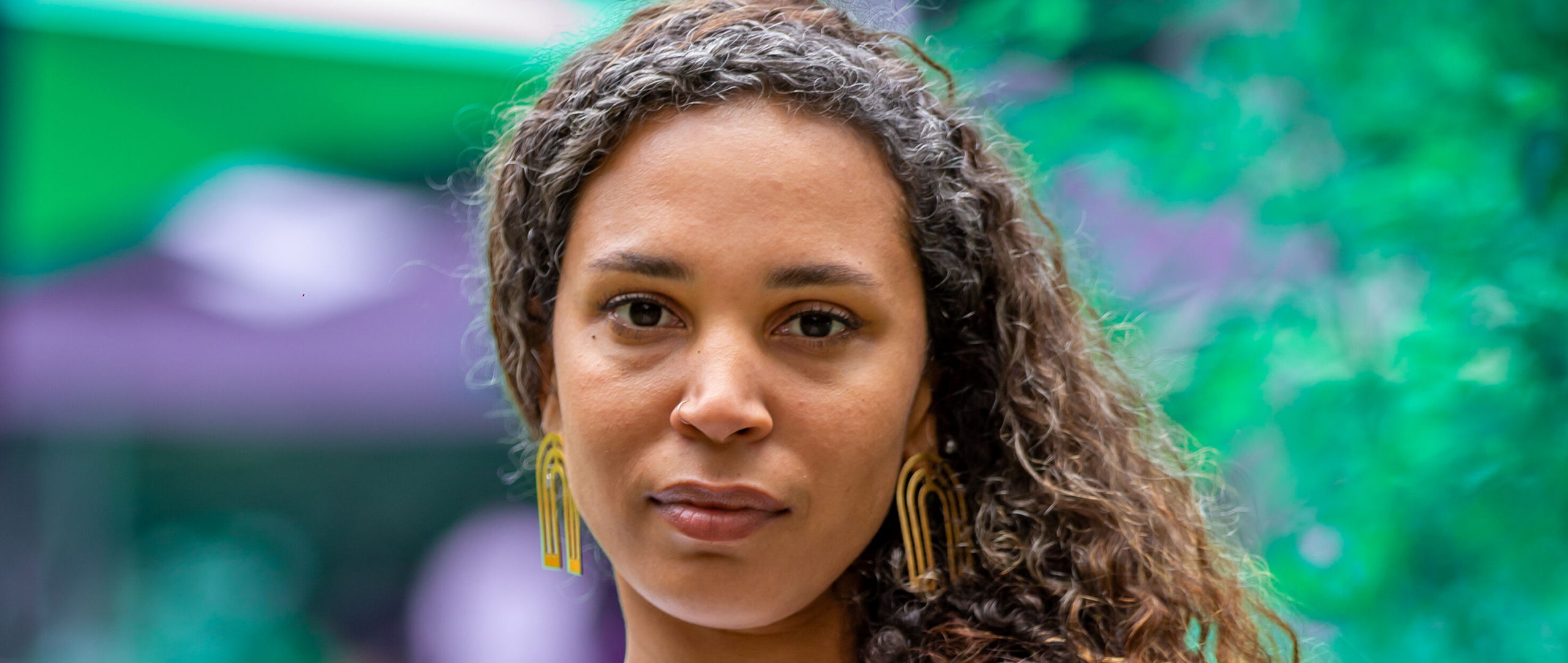
It was a historic ruling and Jehosheba Bennett was one of the lawyers who represented the women. Born in French Guiana, which since 1946 became integrated into the French Republic as an “overseas territory”, Jehosheba moved to France when she was four. Affected by the systemic racism her family faced, she wanted to find a way to change things for the better.
Now an international criminal lawyer, living in Belgium, Jehosheba works on cases that address historical colonial crimes. In this piece, Jehosheba shares what working on the Metis case meant to her and why reparations are still relevant in today…
When I moved to France, I remember learning about the history of slavery at school. I spent my early childhood in French Guiana – a colonised country. However, it was clear the impacts of racism were still being felt, especially in countries across Europe.
I lived in a neighbourhood alongside people of African and Arab descent. However, we faced a lot of systemic racism. My brother, who was just 10 at time, was often targeted and beaten by the police.
I was shocked by how we were being treated and I wanted to find a way to change things. I was torn between a career in art or law – but I thought it would be more useful to learn how the world worked, so I could change it.
Abducted from their mothers
I am now a lawyer, focusing on cases involving violence against women, and colonial wrongs and reparations. Most recently, I worked on a groundbreaking case, involving five Métis women – children born to European fathers and African mothers – who took Belgium to court for colonial kidnappings.
When my law firm took on the case, we asked the women to share their stories. It was the first time they’d been asked to relive their experience with someone who wasn’t from their community. It was a big deal.
The stories of Marie-Josée Loshi, Noëlle Verbeken, Léa Tavares Mujinga, Simone Ngalula and Monique Bintu Bingi from the Democratic Republic of Congo were all very similar – between the ages of two and five, they were snatched from their mothers and sent to live in a Catholic mission hundreds of kilometres from their home.
Public servants working for the Belgian colony were tasked with identifying any mixed-race children, who they would kidnap and take to the Commission of Tutorship.
Jehosheba Bennett
At the time, public servants working for the Belgian colony were tasked with identifying any mixed-race children, who they would kidnap and take to the Commission of Tutorship. The commission had the power to consider them abandoned even though they weren’t. From there, they were taken to the Catholic mission to live.
The young African mothers, many of whom were just 15, couldn’t oppose the public servants – they were threatened, forced to sign papers they couldn’t understand and told if they didn’t hand over their children, they of their family members would be put in jail.
Many of these Metis children were put in missions over 500 kilometres from home. The young mothers would try and visit their children, but they weren’t allowed to stay, so they would sleep in the village just to stay for an hour or two.
It was an awful situation. While the children were in the mission, they were forced to speak a different dialect, attend a village school, where they couldn’t understand the teacher, and they faced discrimination because they were Metis – or seen as white.
Even though they were raised by sisters, they weren’t baptised as they were “children of sin”. Instead, they were insulted, beaten and treated as bad seeds. There was a total absence of care, attention and love.
A web of lies
I learnt how it was common practice for Belgian colonial public servants to have more than one woman. These young mothers were seen as concubines. They birthed the children, breastfed them, and then they were taken away. The women told us how they grew up thinking their mothers were sex workers and their father was unknown – although it was all untrue.
When Marie-Josée, Noëlle, Léa, Simone and Monique spoke, it was so powerful. They didn’t prepare what to say. It wasn’t constructed, but it was clear the life they’d been forced to live was awful and unjustifiable. They showed me a file with documents from the Catholic mission that had shed light on their past.
I started looking through it. I found letters from the sisters to the governors saying they didn’t have the space to accept these children, but government said they had to.
I also discovered a book with the women’s original names, along with the names of their fathers and mothers. From there, the children were given a new name and birth document. Under father, it stated “unknown”… As I learnt more about their stories, it became clear that this was a case of systemic organization of the segregation of these children.
Crimes against humanity
I worked on the case alongside three other lawyers. We knew it wouldn’t be straightforward. The first time we took Belgium to court, in 2021, we were told crimes against humanity were only applicable to those that had taken place during World War Two. It was deeply racist, as they were essentially saying we don’t include Africans in our definition of humanity – but surely humanity means everyone.
We appealed as we knew we had a case. A few years earlier the Belgian government had publicly said discrimination against Metis children was a violation of humanity, yet the courts were saying something else. It was incredibly hypocritical and further validated our case.
We appealed again in 2024. When we received the verdict – Belgium was guilty of crimes against humanity for the abduction and systematic racial segregation of Métis children under Belgian colonial rule – we screamed, laughed and cried. We couldn’t believe our work had finally paid off.
We wanted to celebrate these brave women who became sisters by chance. They were witness to the whole trial, listening to the lawyers denying what they went through. Yet, they remained strong and powerful throughout. They spent their whole life not knowing their past. They didn’t have a family link and were torn away from their mothers and fathers. It was a real break in their construction. They didn’t have any roots; it was as though history had erased their right to exist.
Racism is the root of colonialism
This case needs to serve as a turning point when it comes to addressing colonial wrongs. If we don’t address colonialism, we will nevertackle racism. Racism has its roots in the ignorance of what happened in the past. And if we ignore what happened and don’t ask for reparations, things will never change – all non-white people will still be treated as less human. That’s the reality.
Until European governments offer reparations to those who suffered, there will be an imbalance in equity across the world.
Jehosheba Bennett
Western countries benefitted from slavery, colonialism and neo colonialism, and it continues today. Until European governments offer reparations to those who suffered, there will be an imbalance in equity across the world.
It’s not a story of money, but it’s a story of equity and asking for equality. After all, how can you have equality if you don’t offer to repair the crime – it’s what we teach our children every day. It should be the same for States.
This piece was originally published by La Libre.
In our series, Voices of Reparatory Justice, we speak with artists, activists and leaders who share their stories of repair and resilience in fighting against the negative impacts of historical injustices, slavery, and colonialism. Despite existential challenges, their journey to secure dignity and rights of racialised groups, restores hopes for our collective future, humanity must always prevail. This is one of those stories. Find out more about our work.