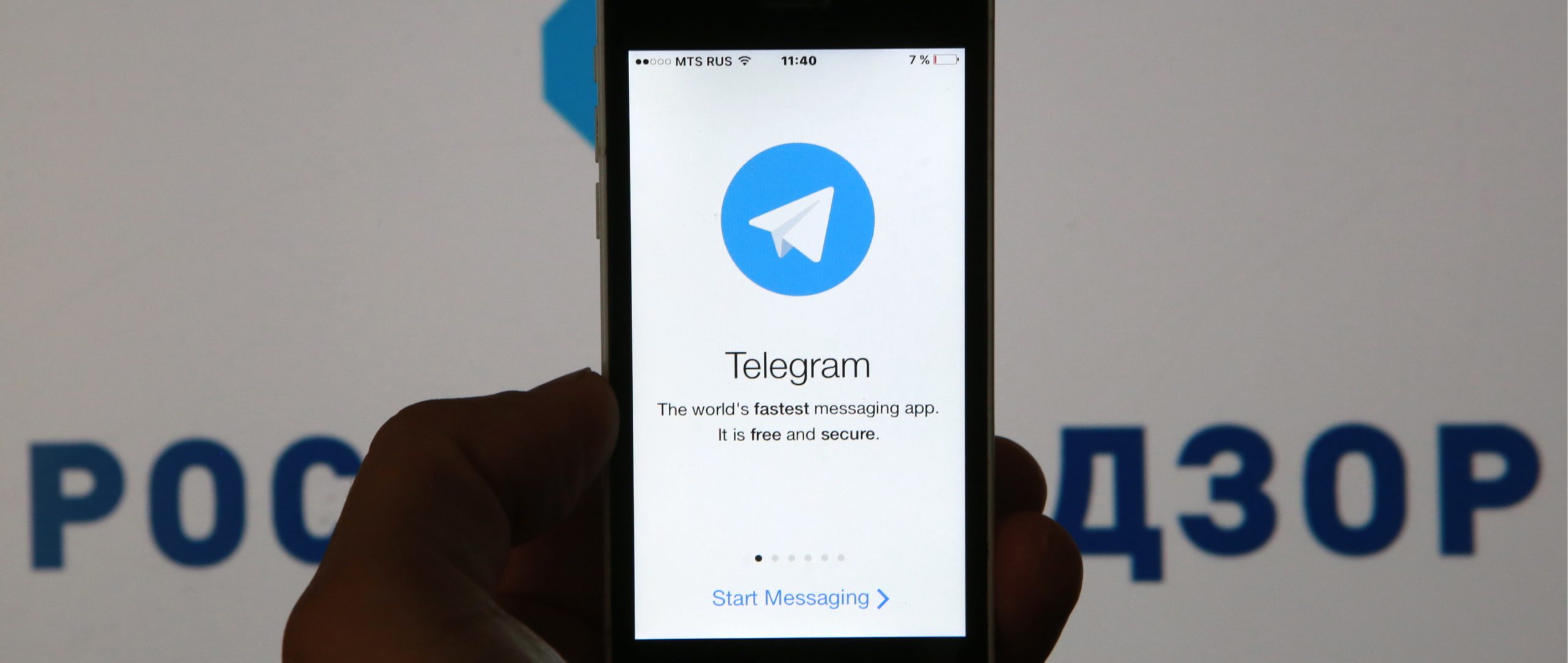
Reacting to the decision by Russian authorities to further restrict the Telegram messenger service by considerably slowing it down, Marie Struthers, Amnesty International’s Eastern Europe and Central Asia Director, said:
“As usual, Russian authorities are resorting to the bluntest instrument in their digital repression toolbox: censorship and obstruction under the guise of protecting people’s rights and interests. Blocking or slowing down Telegram has little to do with protecting people from crime or fraud online and much more to do with further restricting their ability to communicate freely and safely.”
Blocking or slowing down Telegram has little to do with protecting people from crime or fraud online and much more to do with further restricting their ability to communicate freely and safely
Marie Struthers, Amnesty International’s Eastern Europe and Central Asia Director
“These restrictions appear to be part of a broader tightening of state control over online communications in Russia, which has already seen the blocking or disruption of other messaging services. These moves have forced millions of users to rely on circumvention tools to communicate freely – or to use less secure, state-sponsored alternatives.
“If the authorities are genuinely concerned about online threats, they must address them through lawful, transparent and proportionate measures that comply with international human rights obligations, ensuring that any restrictions on freedom of expression are strictly necessary, exercised by the least intrusive means and subject to independent oversight. The Russian government should immediately reverse the restrictions on Telegram and other messaging and social media platforms and ensure that people in Russia can communicate freely, securely and without fear.”
Background
On 10 February, Russian authorities began restricting access to Telegram, which is one of the most popular messaging applications in the country. Roskomnadzor, the communications watchdog, announced without providing details that it would “continue to impose consistent restrictions” on Telegram to ensure “compliance with Russian law and ensure the protection of citizens.” Users across Russia complained of widespread disruptions to Telegram’s functionality for several days.
In August 2025, Roskomnadzor limited voice and video calls on Telegram and WhatsApp, claiming the services were being used for fraud and other criminal activity. In October, “partial restrictions” were applied to both platforms, following the slowing of media messages on WhatsApp in December. Several other messaging services have been blocked, including Signal in August 2024 and Viber in December 2024. In 2018 Telegram was temporarily blocked by a court order over allegations its parent company refused to provide encryption keys to security services.
Russian authorities have recently promoted the domestically developed MAX messenger, with human rights groups and IT experts raising concerns about its security and privacy.