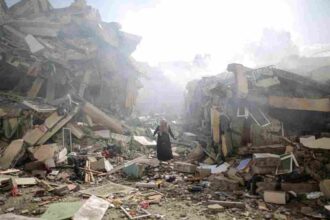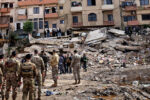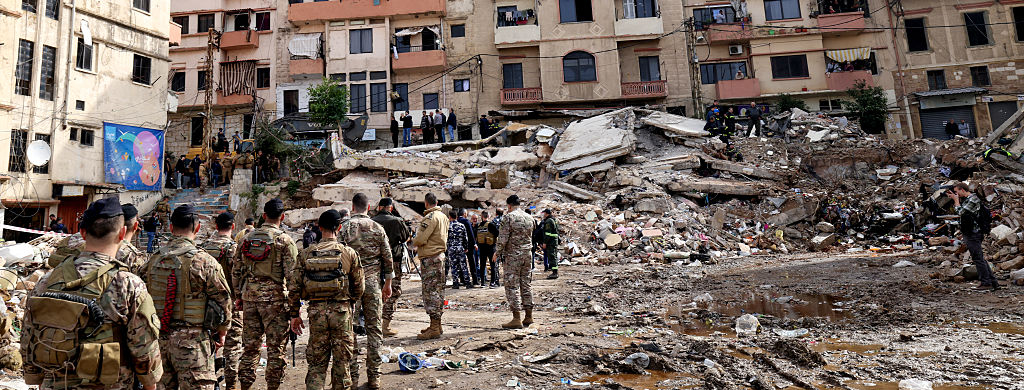
The tragic collapse of a residential building in Tripoli’s Bab al Tabbaneh on 8 February which killed 14 people and wounded eight others must spur government action to provide reparation for those who have suffered the loss of their home and to protect those who remain in unsafe buildings, Amnesty International said today. This building is the latest in at least four building collapses in the first five weeks of 2026 alone.
“This fatal building collapse in Tripoli was an avoidable tragedy and the direct result of years of state mismanagement, entrenched corruption and the lack of effective social protection after a devastating economic crisis pushed people deeper into poverty,” said Sahar Mandour, Amnesty International’s Lebanon Researcher.
“The government must urgently act to implement promises to protect the lives and housing rights of people living in unsafe buildings, including by ensuring timely housing allowance payment, repair to damaged homes, and provision of alternative housing for those unable to secure safe shelter—through a process that genuinely consults and involves affected communities. These measures must be sustained and expanded so that no more lives are put at risk.”
Following the 8 February collapse, Tripoli’s municipal council submitted its resignation to the Minister of Interior. The head of the council, Abdel Hamid Karimeh, declared the city a “disaster‑stricken zone,” citing chronic neglect, deteriorating infrastructure, and the municipality’s inability to manage the crisis.
The authorities have responded to the recent building collapses in Tripoli promptly, including with promises of national surveys, housing allowance payments, and alternative accommodation.
This fatal building collapse in Tripoli was an avoidable tragedy and the direct result of years of state mismanagement, entrenched corruption and the lack of effective social protection after a devastating economic crisis pushed people deeper into poverty.
Sahar Mandour, Amnesty International
After an urgent 9 February meeting, the government announced emergency steps to address Tripoli’s building collapse crisis, including evacuating 114 unsafe buildings within a month and covering the cost of temporary housing. Authorities said emergency shelters are ready, with more to be opened if needed, and that the Ministry of Social Affairs will enroll affected families in the Aman social assistance program. The government also pledged that the Ministry of Public Health will meet medical needs, and that the High Relief Commission will reinforce salvageable structures, demolish those at imminent risk and work with engineering bodies to assess building safety and essential infrastructure.
However, a year after the February 2023 earthquakes that hit Türkiye and Syria and northern Lebanon, families living in high‑risk buildings told Amnesty International that the government’s Emergency Plans had failed to materialize and were little more than empty rhetoric. They said they continued to live in structures officially classified as at risk of collapse because they could not afford repairs or alternative housing.
The current government has repeatedly promised reforms and remedies for long‑standing violations of socio‑economic rights. Its recent commitments to evacuate unsafe buildings, provide temporary housing and medical support, and begin reinforcing structures at risk are important steps toward addressing long‑standing violations of socio‑economic rights. However, previous governments have consistently failed to translate similar promises into tangible actions. Years of unfulfilled plans, chronic lack of investment in public safety, and the absence of a national strategy for buildings at risk have left residents exposed to the same structural risks and rights violations.
Lebanon is obligated under international human rights law, including Article 11 of the International Covenant on Economic, Social and Cultural Rights, to ensure access to safe, secure and adequate housing and to take effective measures to prevent foreseeable threats to residents’ lives and wellbeing.
In a 2024 report Amnesty International documented how failures by the Lebanese authorities meant people in Tripoli have continued to live in unsafe houses at risk of collapse in the aftermath of the February 2023 earthquakes in Turkiye, Syria and northern Lebanon.