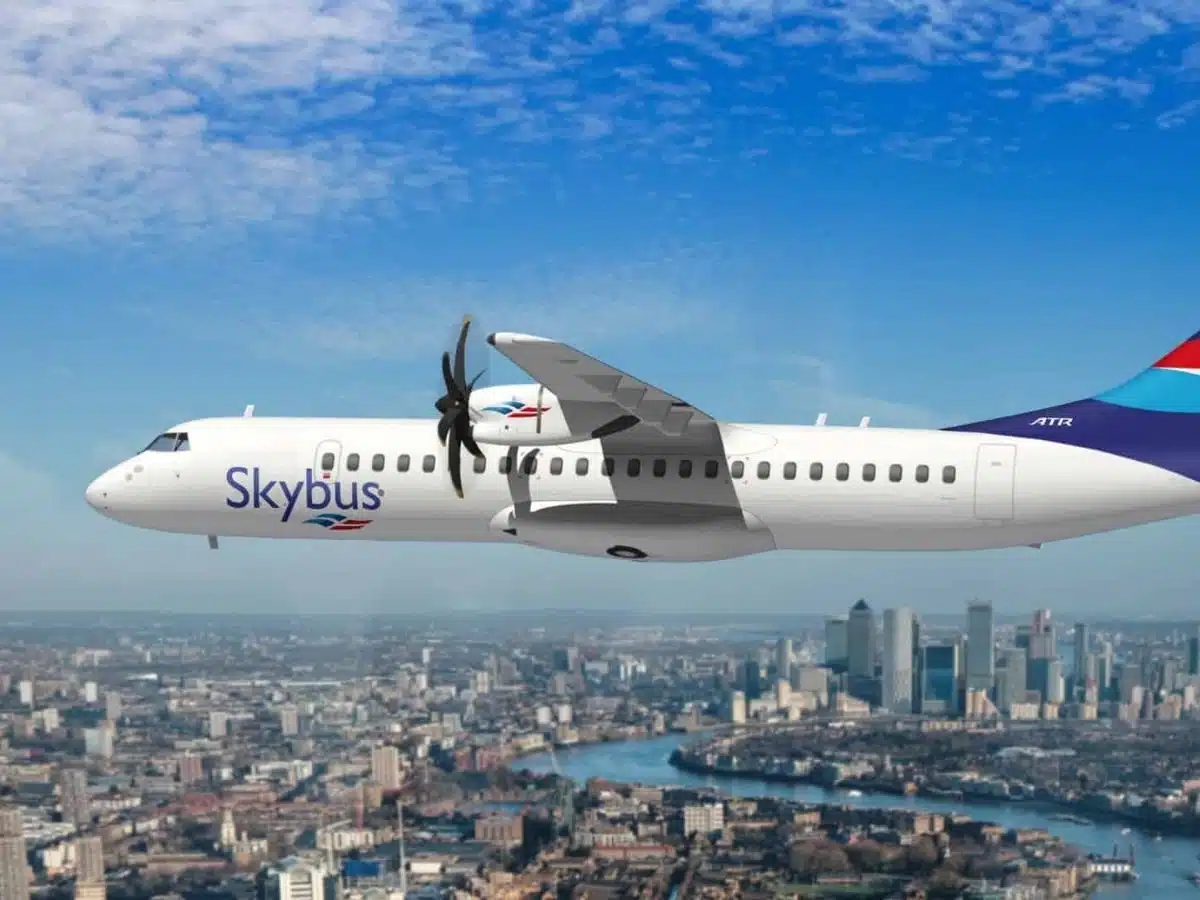
A UK airline has permanently cancelled a flight due to pressure from the energy crisis caused by the US attack on Iran. Skybus operated an internal flight between London and the Cornish town of Newquay. The firm’s cancellation could be the first of many as air travel is hit by increasing pressure.
The National reported on 2 April:
Skybus operates daily flights between London Gatwick and the seaside town of Newquay.
The service was due to end on May 31, however the airline has announced that it will be ending now – nearly two months earlier than planned.
Adding:
The airline’s managing director Jonathon Hinkles said it was due to various reasons including the increase in fuel costs.
Hinkles said:
At a time of great economic uncertainty and steps being taken to conserve energy worldwide, it is neither environmentally nor economically sound for us to continue flying with vastly reduced passenger numbers.
It does beg a question: who the hell flies from London to Cornwall?
UK — Widespread price hikes
But bigger providers say they are under pressure too. Ryanair CEO Michael O’Leary said:
We don’t expect any disruption until early May, but if the war continues, we do run the risk of supply disruptions in Europe in May and June and obviously we hope the war will finish sooner than that and that the risk to supply will be eliminated.
The UK has been hit in other ways too. UK Pm Keir Starmer has tried to allay fears, but Brits are feeling the impact:
Families with a 55-litre diesel car face paying more than £100 at the pump for the first time since December 2022.
LBC reported on 23 March:
The Prime Minister chaired the meeting on Monday afternoon, during which the Chancellor spoke about steps she will set out in a statement to Parliament tomorrow.
Ms Reeves, Governor of the Bank of England Andrew Bailey and Energy Secretary Ed Miliband gave updates on the situation and stressed that de-escalation and ending the Iran conflict was “the best thing we can do for the economy”, Downing Street said in a readout.
It is unclear when the war will end and on what terms.
US-Israel attacked Iran first on 28 February without provocation. Iran was offering unprecedented concessions in negotiations at the time. The Pentagon has since stated there was no imminent threat from Iran. And the UN’s atomic watchdog, the IAEA, has said there is no evidence Iran was developing a nuclear weapon.
The US has achieved none of its original war aims. Iran predictably closed the Straits of Hormuz, a vital oil channel, once attacked – creating a global energy crisis. Far from being defeated, Iran has said the war will continue until “the enemy’s inevitable and permanent humiliation, disgrace, regret, and surrender”. Trump came to power on an anti-war ‘America First’ ticket. He now faces worldwide humiliation.
Featured image via Aerospace Global News