Content warning: This story contains graphic stories of violence against women who give birth.
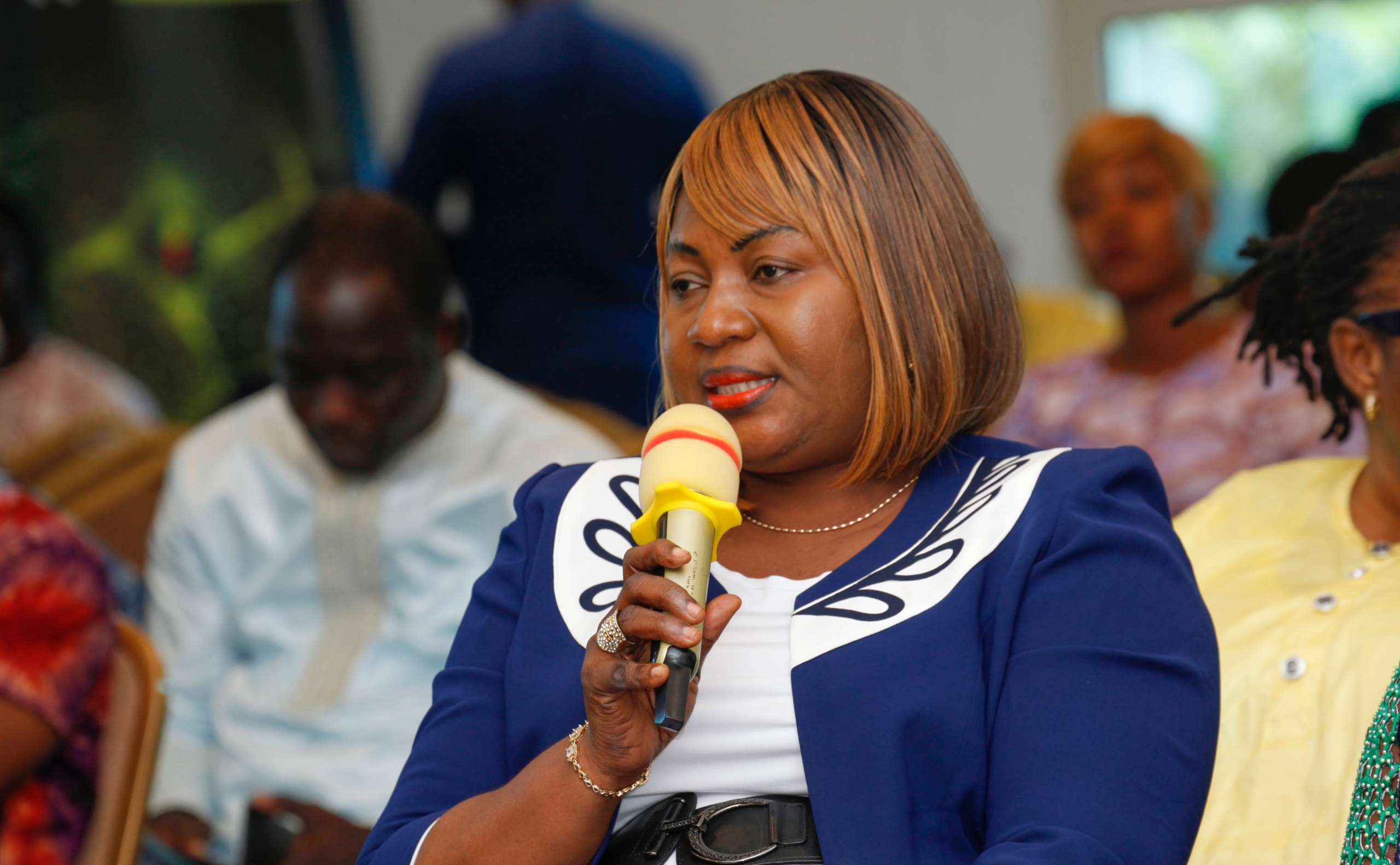
Annick Nonohou Agani, 51, from Benin, is a midwife, jurist, and human rights activist. She founded the Network of Patient-Friendly Caregivers (Réseau des Soignants Amis des Patients) and coordinates an initiative to reduce obstetric and gynecological violence in French-speaking Africa.
She is an award-winning midwife and has delivered around 3,000 babies. She is campaigning for childbirth practices that respect human rights in collaboration with Amnesty International.
Amnesty International Benin and its partners are working to educate public and healthcare professionals about patients’ rights, gynecological and obstetric violence, as well as access to healthcare for prisoners.
“My mother suffered obstetric violence. I was five or six years old at the time, and we were living in Niger. My father and I took my mother to the health center to give birth, but they wouldn’t let him in, so I stayed alone with my mother.
She was in a lot of pain and tried to call the health workers by raising her upper body on the delivery table, which was not wide. Unfortunately, she fell off the table. She wasn’t responding, so I called the health workers, who, without properly checking her breathing, declared her dead. An hour later, she started moving and talking again so I ran to get the health workers… They laughed at me and insulted me, saying that a dead body doesn’t talk! So, I went outside to call for help. In the end, my mother gave birth to my brother and they both survived. But her mistreatment by the clinic workers had a lasting impact on me… I told myself that whatever I became later in life, I would defend the rights of women who give birth.
Defending women’s rights
During my midwifery studies, I was already defending women’s rights. I didn’t want them to be mistreated. I started practicing in 2000, and began working with Amnesty International, conducting awareness-raising sessions with communities in northern Benin. In 2005, I decided to enroll in my first year of law school and completed my master’s degree in public law on the right to health.
Being both a midwife and a jurist allowed me to better assert myself in defending women. I was an activist, but I realized it was difficult to do it alone. I started working with women’s groups I knew through awareness raising sessions. I realized that we could bring about behavioral change through setting up women’s networks. I did internships in Morocco and Japan, where I learned how to deliver babies without violence. In 2013, I founded the Network of Patient-Friendly Caregivers, and today I am an activist at a regional level.
Even today, in some delivery rooms in Benin, there are straps to whip those who are not pushing properly.
Annick Nonohou Agani
Obstetric violence is widespread
Obstetric violence occurs in almost every country in the world. The first form of violence is denying the father access to the delivery room. It also includes not allowing the woman to choose the position in which she gives birth. There is what is known as abdominal pressure, where staff continue to climb on women’s stomachs and thus bring the baby out. Childbirth is highly medicalized. Unnecessary C-sections are sometimes imposed. Naked women are also subjected to repeated touches by numerous students, and no one asks for their consent. On several occasions, I have supported women victims of obstetric violence who had been left alone on very narrow delivery tables without mattresses, as was the case for my mother.
There is normalized violence because it is part of our care protocols. This is institutional violence, such as episiotomy, the overuse of vacuum extraction and forceps to deliver the baby… Violent deliveries are normalized and women are objectified.
In our countries, it is believed that during childbirth, women must remain silent and not scream. Pain is denied. People say that a woman who cannot bear pain will not be able to give birth to a living child. There is also verbal abuse, with insults related to sexuality. We often hear phrases such as: “While you were enjoying sex, didn’t you think you might get pregnant, and that giving birth would hurt?”
Women are also beaten during childbirth, they are slapped. Even today, in some delivery rooms in Benin, there are straps to whip those who are not pushing properly. Sometimes, when you have a relative with you during childbirth and the midwife hits you, your relative may hit you and slap you in turn.
Protecting patients is paramount
One case that struck me was that of a woman who lost her baby during childbirth. The health workers refused to give her the body because they wanted to extort money from her. The government is fighting against these racketeering practices, as well as the illegal sale of medicines, but it continues.
We need to review midwifery training curricula. They must include human rights-based obstetric practices. It is also essential to update care protocols and make available all the tools and equipment necessary for non-violent childbirth. However, due to the patriarchy that prevails in our health centers, midwives who would like to practice non-violent childbirth face opposition from doctors.
People ask why we, as midwives, would talk about human rights. But we have a vision, we have a goal.
Annick Nonohou Agani
Previously, in Benin, there was no legislation to protect patients. Then, in 2021, the law on the protection of human health was passed, which states that the patient’s consent must be sought and renewed during care. But no law mentions obstetric violence.
The 2012 law on the prevention and punishment of violence against women did cover childbirth, but everything else was missing. There is no mention of the specific cases of pregnant women, women in labour, and women in the postpartum period, even though women must be protected at each of these stages. There are no criminal provisions to punish obstetric violence.
Specific legislation is needed for the prevention and punishment of gynecological and obstetric violence.
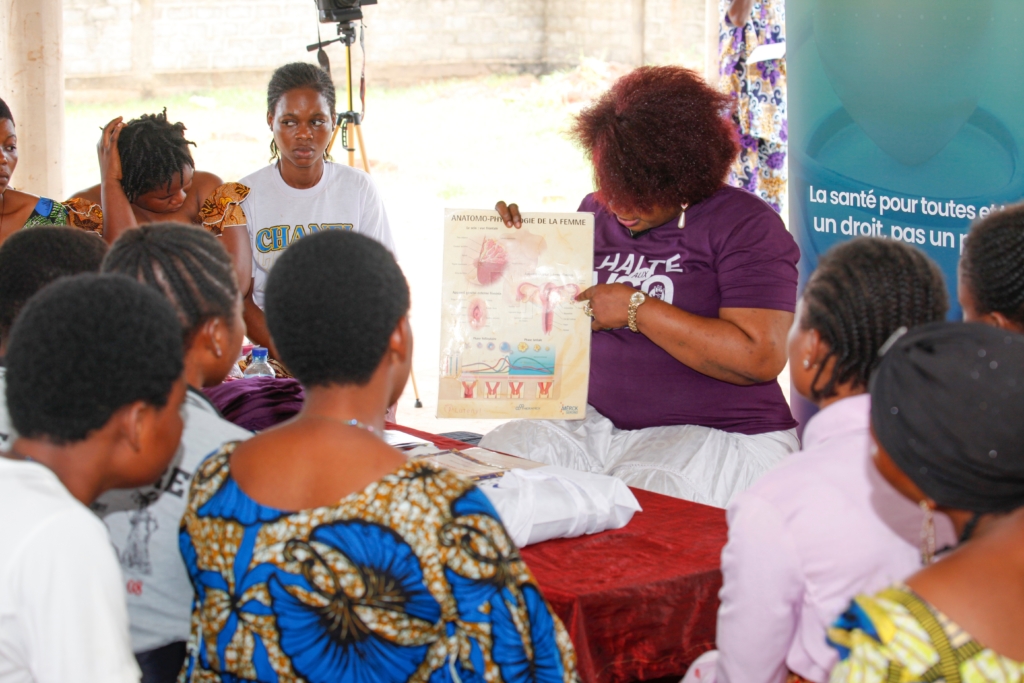
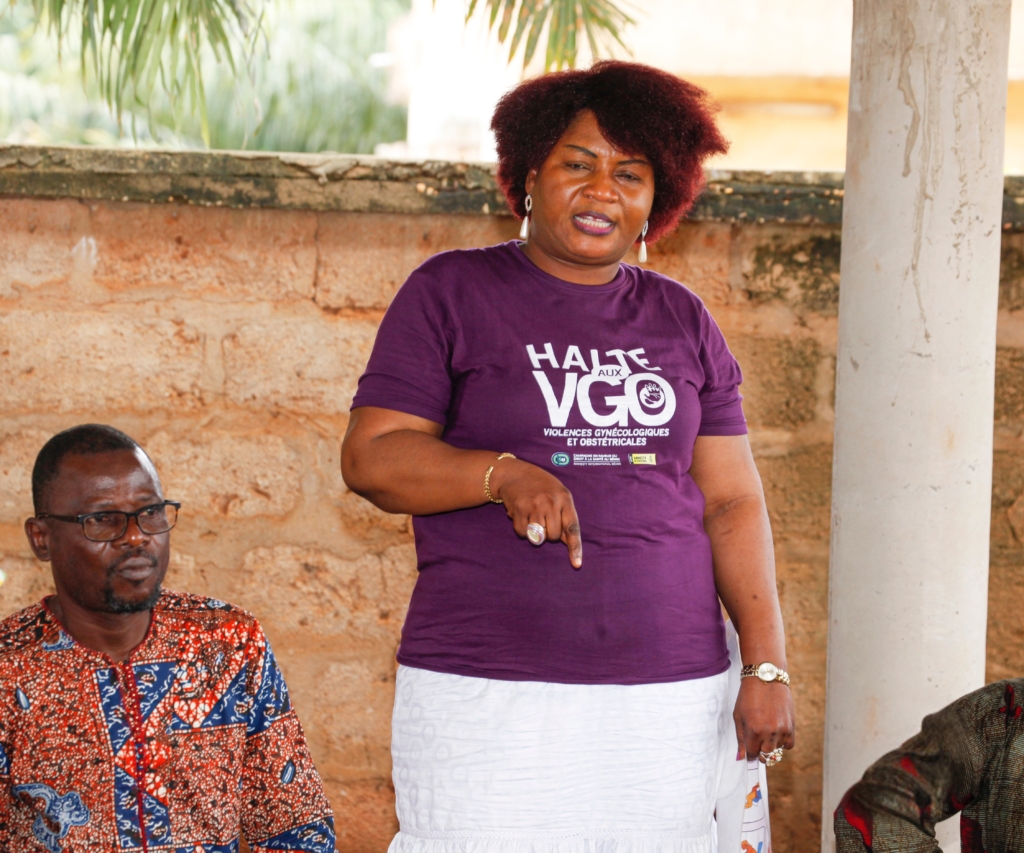
Beninese activist Annick Nonohou Agani during a community awareness session about gynecological and obstetric violence. © Amnesty International Benin
Bringing about change
Amnesty International’s campaign on the right to health has brought about change. We launched the Charter of Patients’ Rights and Responsibilities in September 2025 in collaboration with the Health Sector Regulatory Authority. We produced radio programs and conducted community awareness campaigns in all departments throughout Benin. This is the first time that gynecological and obstetric violence has been discussed in this way, and across the whole country.
We have detractors. People ask why we, as midwives, would talk about human rights. In their minds, we have nothing to do with that. But we have a vision, we have a goal. A paradigm shift is needed.
Most women do not know their rights, including those who have been to school. With social media today, some are beginning to be informed. An informed woman will not let herself be pushed around! Violence is beginning to decline, but we are not yet seeing public denunciations or complaints being filed… As a midwife, jurist, and activist, I am speaking out. Violence persists. It must be eliminated.”